
Wanted Dead or Wild — An Exploration of the Outlaw Mythos

Wanted: Dead or Wild — An Exploration of the Outlaw Mythos
The concept of being ‘Wanted: Dead or Alive’ evokes a variety of feelings and thoughts ranging from fear and danger to excitement and adventure. It is a phrase that embodies the lawless spirit of the wild west, a time when outlaws roamed free, and morality was often blurred by survival and personal codes of honor. This article delves into the cultural fascination with outlaws, the narratives they create, and the impact of this mythos on our society today. For those interested in diving deeper into wild narratives, you might want to visit Wanted Dead or a Wild Not on GamStop https://hennigansbar.co.uk/ for themed experiences and more insights.
The Allure of the Outlaw Life
Life as an outlaw is often romanticized in literature, film, and television. The classic image of the rugged gunslinger, dressed in a duster and wide-brimmed hat, rides off into the sunset, embodies freedom, independence, and rebellion against societal norms. But what draws us to these figures? Perhaps it’s the thrill of living outside the law, or the compelling stories of their adventures and escapades that capture our imagination.
Historical Context
The term ‘outlaw’ has evolved over centuries, starting from the medieval period in Europe, when being declared an outlaw meant losing all legal rights and becoming prey for the king’s men. This concept transitioned into the American West where outlaws like Jesse James and Billy the Kid became folk heroes, their stories intertwining with the very fabric of American identity.
Iconic Figures
Jesse James, perhaps one of the most famous outlaws in American history, led a gang that robbed banks and trains. His legend grew not just from his criminal activities, but also from his demeanor, charisma, and the sense of justice he represented to many who saw him as a defender of the underprivileged. Similarly, Billy the Kid captivated the collective imagination with tales of his exploits, gunfights, and eventual demise. These men were not just criminals; they were symbols of a fight against oppression and a quest for freedom.
Cultural Impact
The outlaw mythos has permeated popular culture and influenced countless artistic expressions—from literature to cinema and modern video games. The stories of anti-heroes challenge traditional notions of right and wrong and allow audiences to explore moral ambiguity in a secure environment.
In Literature
Books such as «Lonesome Dove» by Larry McMurtry and «True Grit» by Charles Portis illustrate the complexities of these characters, emphasizing loyalty, bravery, and the harsh realities of frontier life, while also offering commentary on morality and justice.
In Film
Western films have long depicted the outlaw as a central character. Classics like «The Good, The Bad and The Ugly» and more recent films such as «No Country for Old Men» revisit the themes of lawlessness, fate, and morality. The visual storytelling invites audiences into an era where the line between hero and villain is often indistinguishable.
In Gaming
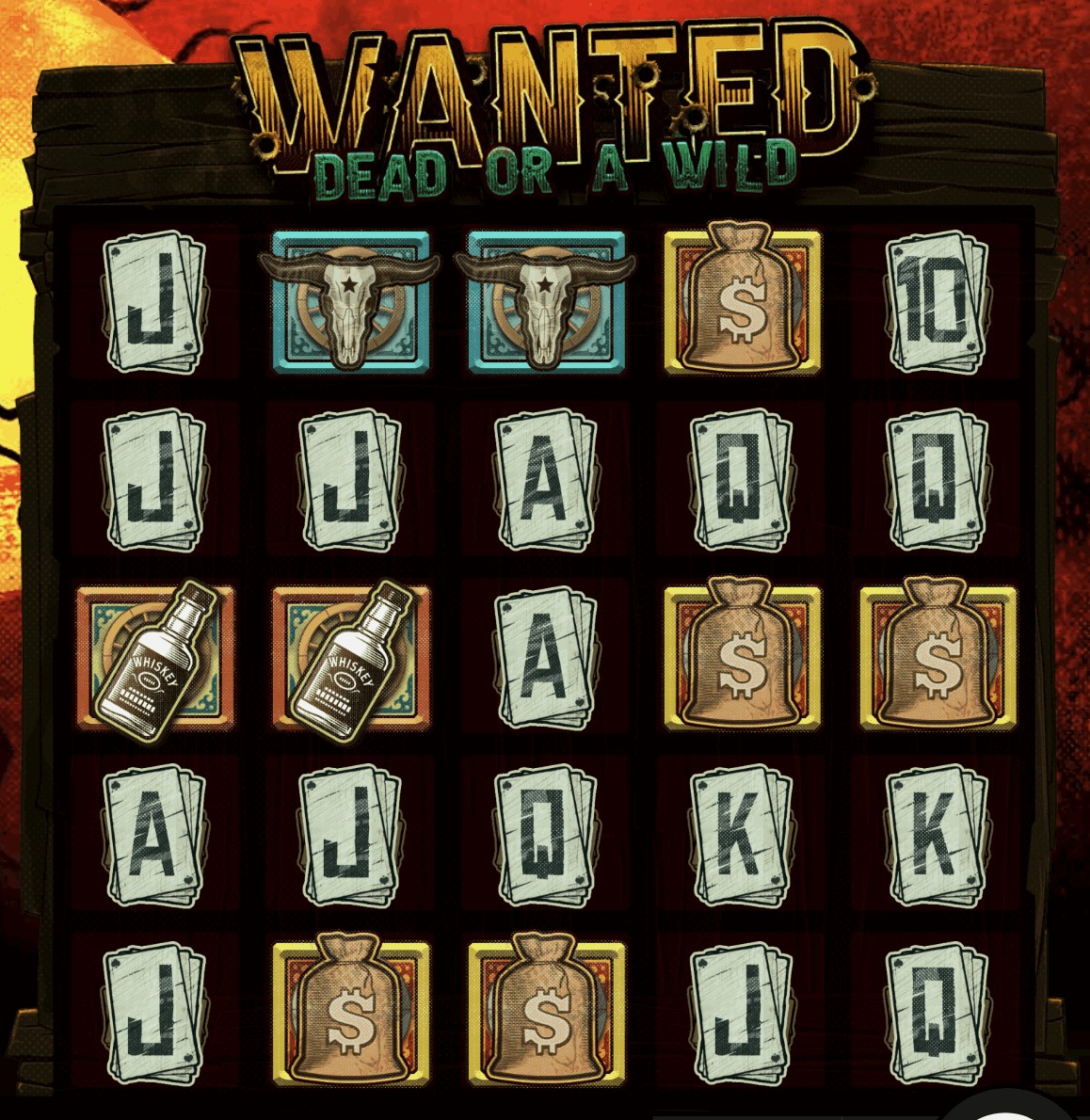
Video games have also embraced the outlaw mythos, with titles such as «Red Dead Redemption». These games allow players to live out their fantasies in expansive open worlds filled with moral dilemmas and consequences for their actions. The player’s decisions often shape their path, further immersing them in the wild west experience.
The Modern Outlaw
In today’s society, the concept of the outlaw has adapted to fit contemporary themes. Many modern narratives reflect societal frustrations, economic disparities, and the struggles of individuals against systemic injustice. Films, books, and even social media often highlight individuals who challenge the status quo and fight against perceived oppression, reminding us that the spirit of the outlaw is alive and well.
The Digital Age
The internet has also birthed a new breed of modern outlaws—hackers and activists who challenge government authority and corporate control. Figures like Edward Snowden and Julian Assange embody this new breed of outlaw, fighting for what they believe is right, albeit through controversial methods. Their stories prompt discussions about ethics, privacy, and the nature of freedom in the digital age.
Conclusion
Ultimately, the allure of being ‘Wanted Dead or Alive’ goes beyond mere lawlessness; it speaks to the core of human desire for adventure, autonomy, and the thrill of the unknown. As society continues to evolve, so too will the narratives around outlaws, reminding us of the age-old struggle between freedom and societal norms. Exploring these narratives not only satisfies our craving for excitement but also prompts us to reflect on our values and beliefs.
Further Exploration
For those intrigued by the outlaw mythos, whether through historical accounts, cinematic depictions, or contemporary issues, the journey of understandin
g these complex figures can be both thrilling and enlightening. As you venture forth, consider how the stories of the past continue to resonate in and shape our modern lives.